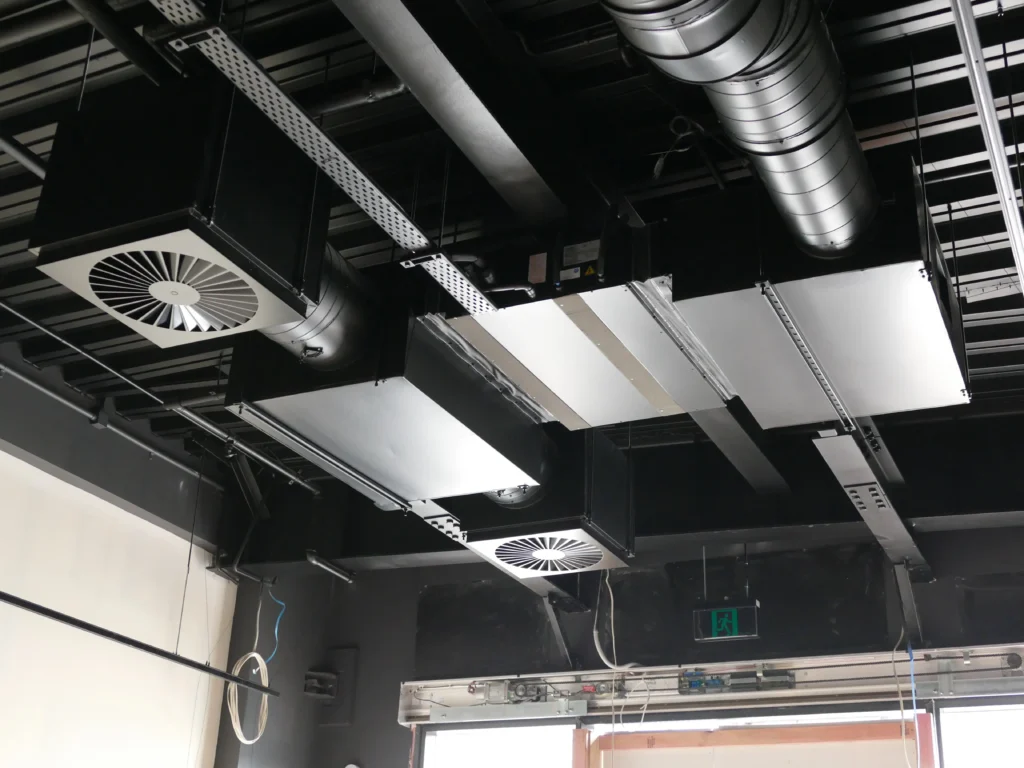
As one of the leading HVAC companies in Auckland, we know that deciding when to replace your system isn’t always so simple—and it’s a decision that shouldn’t be rushed.
So when should HVAC be replaced? In this blog post, we’ll break down what you need to know about HVAC replacement, from typical lifespans to early warning signs, helping you make informed decisions for your property and budget. Let’s dive into it!
Understanding the Average Lifespan of HVAC Systems
How long does an HVAC system last exactly? Typically between 15 and 20 years, although this varies depending on several key factors.
A well-maintained system, installed by professionals like the team at Air Mc, can easily reach, and often exceed, the 20-year mark, while neglected units in harsh environments may require replacement around the 10-15 year range. Here’s what generally impacts the average lifespan of HVAC systems:
- Installation Quality: A properly installed HVAC system with correct clearances and appropriate sizing for your space sets the foundation for longevity. Poor installation can shorten your system’s life by years.
- Regular Maintenance: With routine servicing—filter changes, cleaning, and professional inspections—systems can consistently perform at their best. It’s like servicing your car; small preventative steps now save you from expensive replacements later.
- Usage Patterns: A commercial heat pump running 24/7 will naturally wear faster than one used occasionally in a residential setting. Heavier usage means more demand on components, leading to premature replacement.
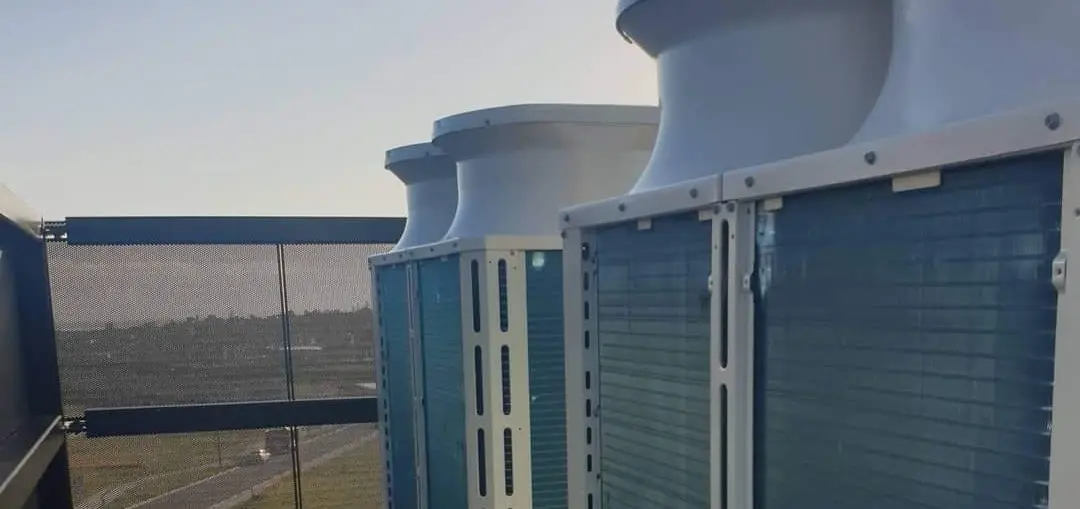
- Environmental Conditions: Coastal properties with salt air and dusty industrial areas can put extra strain on outdoor units, potentially impacting their lifespan.
For property managers managing multiple units, maintaining detailed records of property maintenance is essential to help anticipate replacement timelines and budget accordingly.
Signs Your HVAC is Going Bad
Recognising the signs your HVAC is going bad can save you from unexpected breakdowns and help you plan a replacement on your terms.
Catching problems early gives you time to budget, rather than face an emergency replacement. The key signs to look for include:
- Rising Energy Bills: Climbing power costs without increased usage typically indicate declining efficiency.
- Inconsistent Temperatures: Hot and cold spots mean your system can’t distribute air effectively.
- Frequent Repairs: Multiple repair calls per year generally signal it’s time to consider replacing your HVAC system.
- Unusual Noises: Grinding, squealing, or rattling sounds can point to worn or failing components.
- Weak Airflow: Reduced airflow indicates that your system is struggling and working overtime.
- Age: HVAC systems over 15 years old tend to experience declining efficiency and an increased risk of failure.
How Often Does HVAC Need to be Replaced?
For most homes and businesses in New Zealand, HVAC replacement typically happens every 15-20 years. The frequency of how often HVAC needs to be replaced depends on how well you’ve maintained your systems and the conditions under which they operate.
Well-maintained systems with regular servicing often reach the upper end of this range. Neglected units, or those in demanding environments, may need replacing in just 10-15 years.
Even if your system still functions after 15 years, upgrading to a newer, more efficient unit can deliver substantial energy savings, offsetting the investment over time.
Repair Vs. Replace: Making the Right Decision
When your HVAC system starts playing up, the big question is whether to repair or replace it. Understanding how long an HVAC system lasts and weighing the repair costs against replacement costs helps you make the smartest decision.
- The 50% Rule: When repair costs are the same as or beyond 50% of a new system’s price, replacement makes the best financial sense.
- System Age: Repairs suit newer systems with minor issues. Units over 15 years old and needing major repairs should be replaced.
- Frequent Breakdowns: Multiple service calls each year generally mean you’re throwing money at a declining asset.
- Energy Efficiency: Newer systems are much more energy-efficient and can cut your power bills significantly, helping pay for the replacement over time
Replace Your HVAC with the Experts at Air Mc
Determining when HVAC should be replaced doesn’t have to be stressful. At Air Mc, we’ve built our reputation on providing honest assessments and reliable service.
Whether you’re a homeowner looking to upgrade an ageing system or a property manager maintaining commercial HVAC systems, our experienced technicians deliver installations you can rely on.
Noticing signs your HVAC is going bad? Get in touch, and we’ll help you make the right decision for your property and budget.